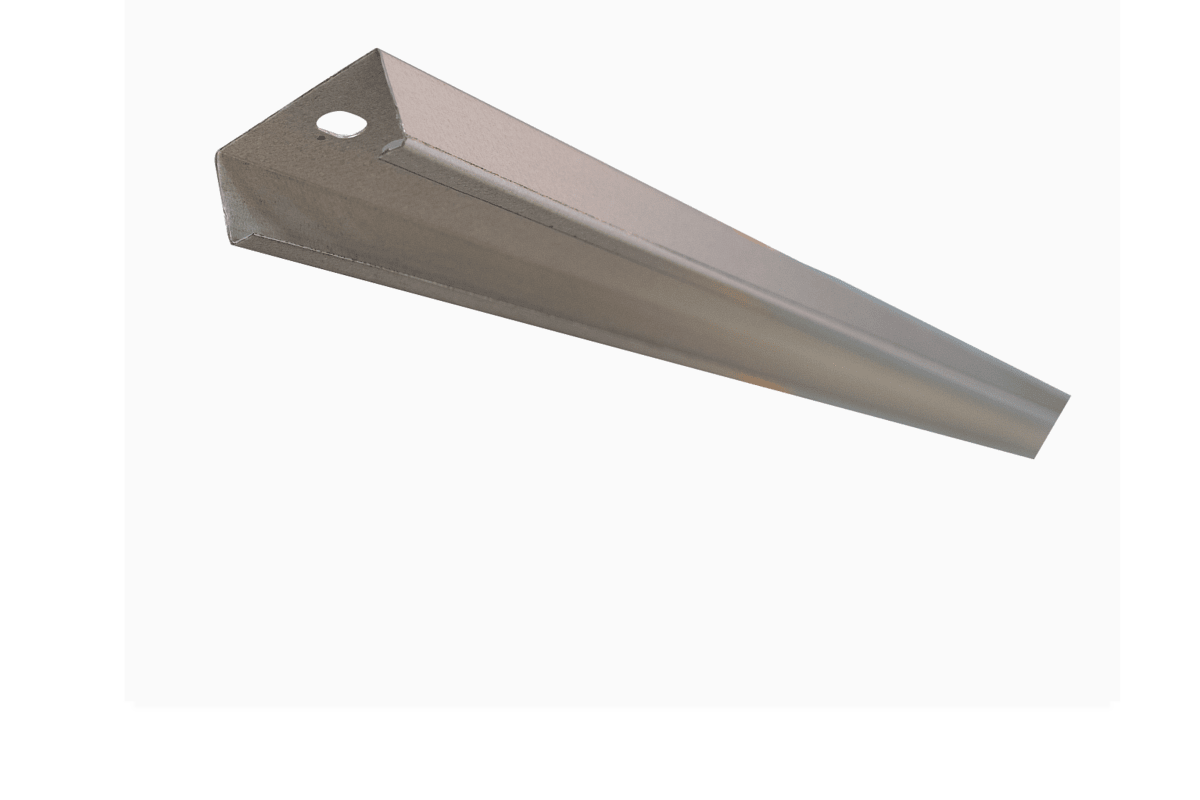
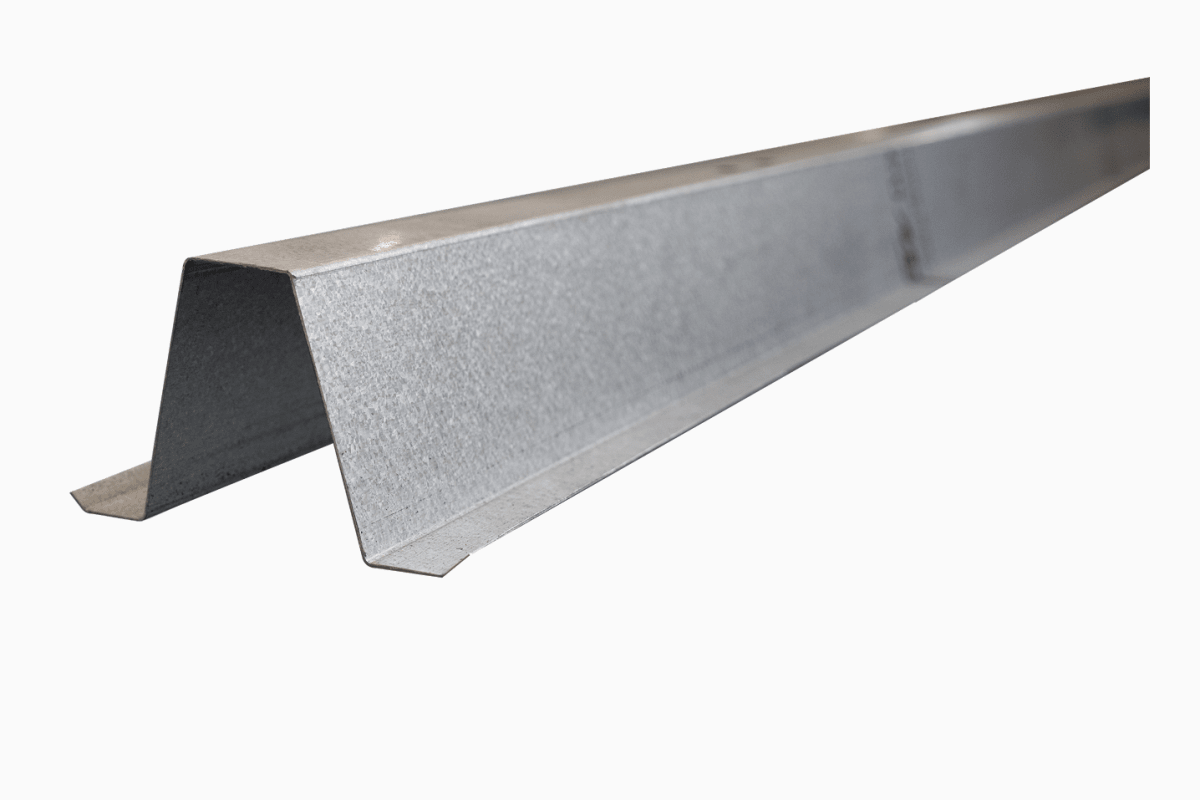
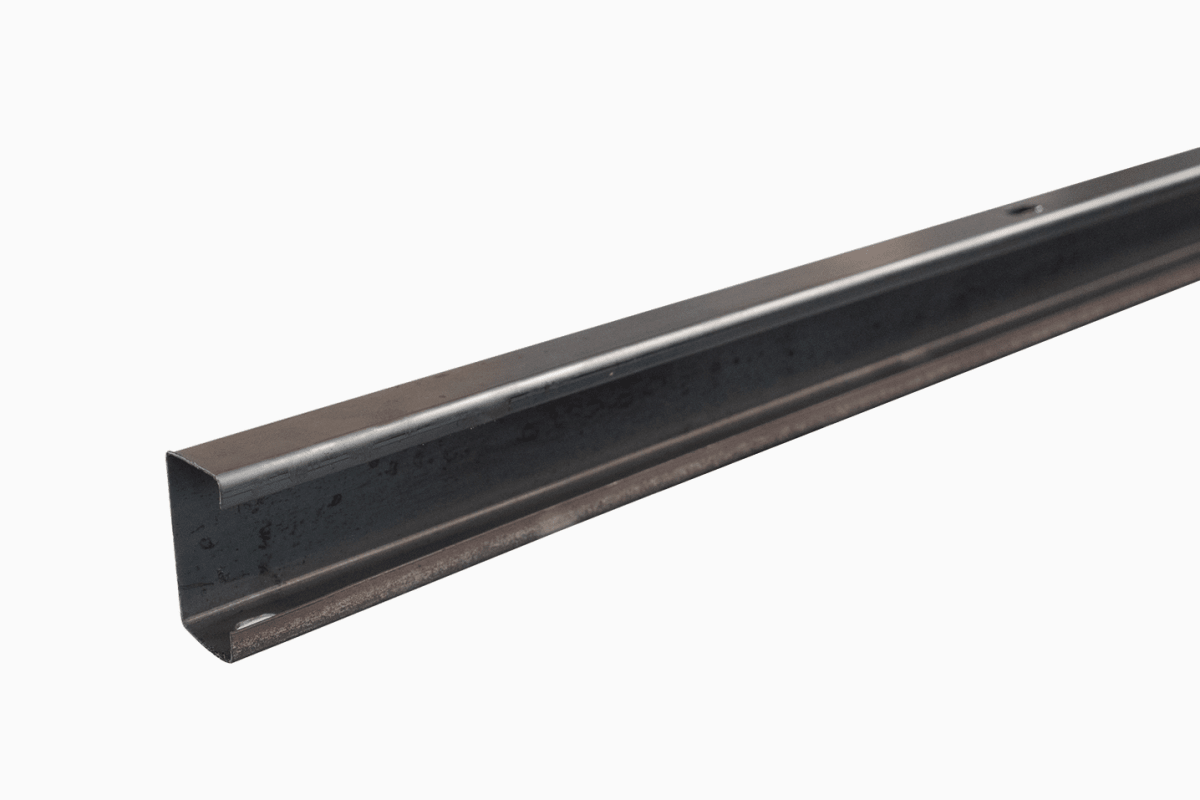
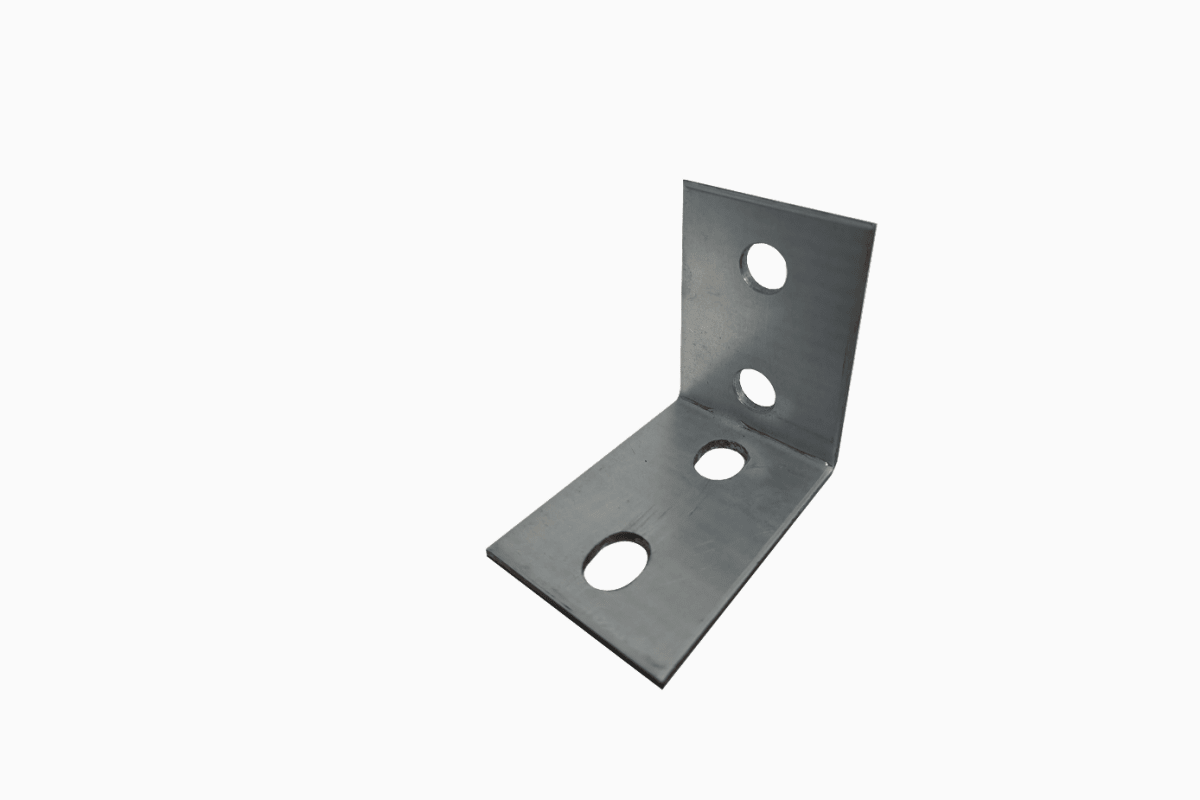
Explore our range of precision-engineered solar mounting structures designed for reliable solar panel installation. Our structural solutions deliver strength, stability, durability, and long-term performance for commercial, industrial, and utility-scale solar projects.
Solar Mounting Structure: Types, Materials, Design and Applications
A solar power system needs more than efficient solar panels to perform well. It also needs a strong and reliable support system that holds the panels in the right position. A Solar Mounting Structure provides this support, helping panels withstand wind, rain and other environmental conditions while maintaining the required tilt and orientation. The right structure depends on the installation site, roof type, project capacity and local weather conditions. From industrial rooftops to large ground-mounted solar farms, each application requires a suitable structural design. Material quality, corrosion protection and accurate fabrication also play an important role in the system's long-term performance.
What Is a Solar Mounting Structure?
A Solar Mounting Structure is a framework designed to secure solar panels to a roof, the ground or another suitable surface. It supports the weight of the panels and transfers the loads acting on them to the building or foundation. The structure keeps solar modules at the intended angle and spacing. This helps maximise exposure to sunlight while allowing adequate drainage, ventilation and access for maintenance. A typical system may include columns, rafters, purlins, bracing, base plates, clamps, bolts and other connecting components. Each part serves a specific purpose in maintaining stability and distributing loads safely. For large solar installations, structural accuracy is especially important.
Types of Solar Mounting Structures
Rooftop Solar Mounting Structures
Rooftop systems are installed on residential, commercial and industrial buildings. They make use of existing roof space and can reduce the need for additional land. On flat RCC roofs, the structure may use fixed-tilt frames secured through suitable foundations or engineered ballast systems. The design must account for roof load capacity, wind uplift and waterproofing. For industrial metal roofs, mounting arrangements may use compatible clamps or rail-based connections. The fixing method must suit the roof profile and avoid compromising the building envelope.
Elevated Solar Mounting Structures
Elevated structures raise solar panels above the ground or roof surface. They can provide clearance for water tanks, equipment, parking areas or other activities beneath the panels. These systems require careful consideration of column height, lateral stability, wind forces and foundation strength. As the height increases, the structure may experience greater bending and overturning forces. An elevated Solar Mounting Structure should therefore be designed around the site conditions and intended use of the space below.
Ground-Mounted Solar Structures
Ground-mounted systems are widely used in utility-scale solar parks, open land and industrial projects. Steel columns are supported by suitable foundations, which may involve driven piles or concrete foundations, depending on soil conditions and the structural design. These systems offer flexibility in panel arrangement and maintenance access. However, the design must account for soil strength, drainage, wind loads and site topography.
Specialised Mounting Systems
Some projects require structures suited to specific site conditions. These may include carport structures, which provide vehicle shade while supporting solar panels, and mounting systems designed for particular industrial roof profiles. The selection should consider both the solar installation and the existing structure. The aim is to provide secure support without creating unnecessary structural or maintenance challenges.
Materials Used in Solar Mounting Structures
Hot-Dip Galvanised Steel
Hot-dip galvanised steel is a popular choice for outdoor solar installations. The process involves coating steel with zinc to protect it from corrosion. This makes it suitable for ground-mounted systems, industrial rooftops and large solar farms. The service life depends on coating quality, thickness and the surrounding environment. Coastal areas and locations with high moisture or industrial pollutants may need additional corrosion protection.
Zinc-Aluminium-Magnesium Coated Steel
Zinc-aluminium-magnesium (ZAM) coated steel offers corrosion protection through a coating that contains zinc, aluminium and magnesium. It can be used for selected structural sections and solar support components, subject to engineering requirements. The suitable coating grade depends on the installation environment, required service life and fabrication method.
Aluminium and Stainless Steel
Aluminium is lightweight and naturally resistant to corrosion. It is often used for mounting rails and certain clamps or support components. Stainless steel is commonly used for selected fasteners and connections where corrosion resistance is important. The final material selection should consider strength, compatibility between connected metals, environmental exposure and overall project cost.
Key Components of a Solar Mounting Structure
Purlins: These horizontal members support the solar modules or mounting rails. C purlins, Z purlins and other suitable profiles can be selected according to the structural design.
Columns and posts: These transfer the loads from the frame to the foundations or supporting surface. Their size and spacing depend on the required height and load capacity.
Rafters and beams: These support the main frame and distribute loads across the structure.
Bracing: Diagonal members help improve stability and resist lateral forces caused by wind and other loads.
Clamps and brackets: These secure the panels or connect the mounting frame to the supporting structure.
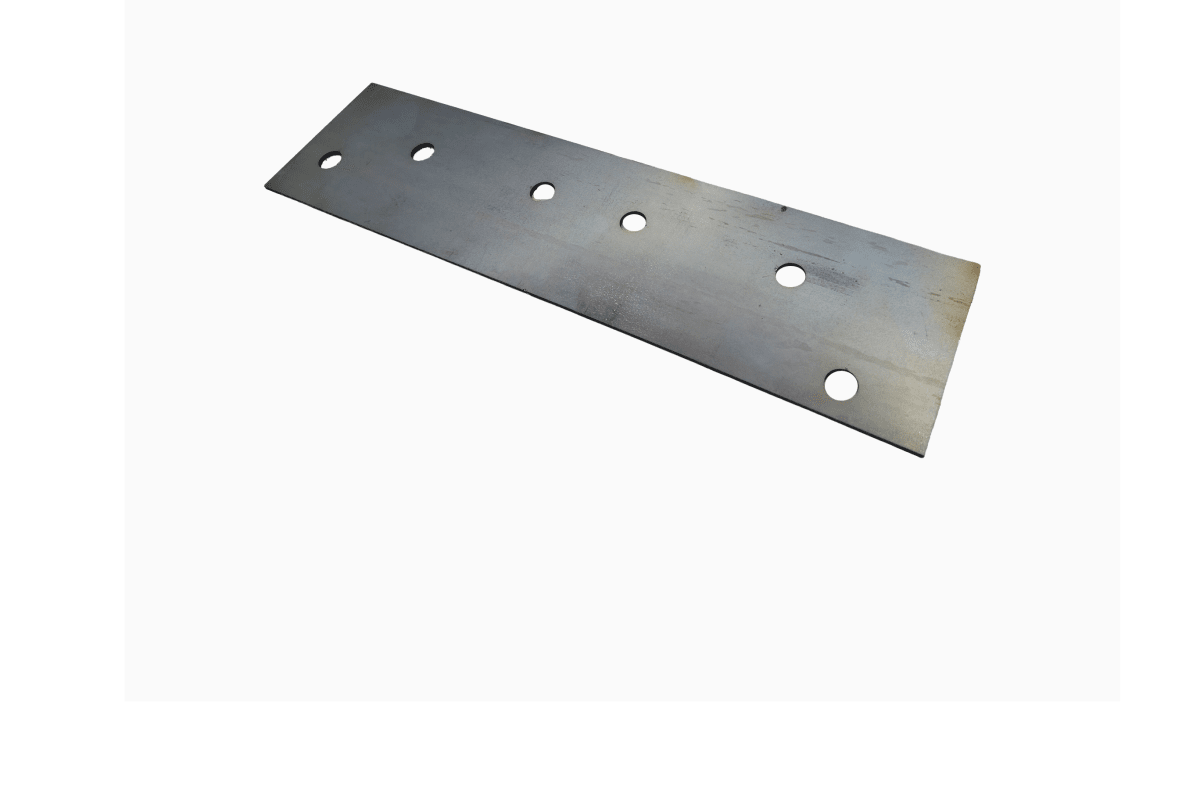
Base plates and fasteners: These help create secure connections between structural members and foundations.
Factors to Consider When Selecting a Solar Mounting Structure
Site Conditions and Roof Capacity
For rooftop projects, assess the roof material, condition, load capacity and waterproofing requirements. For ground-mounted installations, check soil strength, terrain, drainage and foundation options. The structure should be compatible with the existing building or ground conditions. A professional structural assessment helps identify any limitations before installation begins.
Wind Loads and Structural Strength
Solar panels have a large surface area that can experience significant wind forces. Strong gusts can create uplift, particularly around roof edges and corners. The mounting frame, connections and foundations must be designed to resist the relevant loads. The design should follow applicable building codes and local wind-load requirements. Increasing the height or changing the tilt angle may also affect the forces acting on the structure.
Panel Tilt, Orientation and Spacing
The tilt and orientation of solar panels influence how much sunlight they receive. The ideal arrangement depends on the project's location, roof geometry and energy-generation goals. For ground-mounted systems, row spacing should prevent excessive shading between panels. Adequate spacing also provides room for cleaning, inspection and maintenance.
Corrosion Protection and Service Life
Outdoor structures face rain, humidity, temperature changes and airborne pollutants. Suitable coatings and materials help reduce corrosion and protect the frame. The specification should account for the local environment, expected service life and maintenance requirements. Regular inspections can identify damaged coatings, loose fasteners and other issues before they become serious.
Manufacturing Quality and Installation Standards
A reliable solar mounting structure requires precise fabrication, quality materials and proper installation. Accurate dimensions, corrosion-resistant coatings and secure connections help ensure structural stability, durability and compliance with project requirements.
Applications of Solar Mounting Structures
Industrial rooftops: Make use of factory and warehouse roofs to generate electricity without requiring additional land.
Commercial buildings: Support solar installations on offices, retail buildings and other commercial properties.
Utility-scale solar farms: Provide structured panel layouts across large areas of land.
Agricultural installations: Support solar generation on suitable open land, subject to farming and access requirements.
Solar carports: Combine electricity generation with covered parking for vehicles.
Elevated installations: Create clearance beneath the panels for selected activities, equipment or access routes.
Why Choose a Reliable Solar Mounting Structure Manufacturer?
High-Quality Materials: Ensures the use of quality steel sections and suitable corrosion-resistant coatings for long-term outdoor performance.
Precision Manufacturing: Accurate cutting, punching and fabrication help ensure consistent dimensions and easier on-site assembly.
Structural Strength and Stability: Designs structures to withstand the expected wind loads and other site-specific environmental conditions.
Customised Solutions: Provides mounting structures suited to industrial rooftops, ground-mounted solar farms and elevated installations.
Corrosion Protection: Offers suitable coating options, such as hot-dip galvanisation, to help protect steel components from rust.
Consistent Quality Control: Checks material specifications, component dimensions and coating quality to meet project requirements.
Reliable Production Capacity: Supports bulk requirements for large-scale solar projects while maintaining consistent manufacturing standards.
Timely Delivery: Helps keep installation schedules on track through efficient production planning and logistics.
Technical Support: Helps project teams select suitable profiles, structural components and mounting solutions.
Long-Term Value: Reduces the risk of premature deterioration, frequent repairs and avoidable maintenance costs through dependable product quality.
Get the Right Solar Mounting Structure for Your Project
Looking for a reliable Solar Mounting Structure for your next project? Choose structurally sound, precision-engineered solutions designed to meet your installation requirements. From industrial rooftops to large-scale solar farms, the right mounting system can support long-term performance and durability. Get in touch with our team today to discuss your project needs and find the right solar mounting solution for your application.
FAQs
1. What is the main purpose of a Solar Mounting Structure?
Its main purpose is to support and secure solar panels at the required angle and height. It also transfers loads safely to the roof, ground or foundation.
2. Which material is best for solar mounting structures?
Galvanised steel is widely used for its strength and corrosion protection. Aluminium may suit applications where lower weight is important, while stainless steel is often used for selected fasteners. The best choice depends on the site and project requirements.
3. Can solar mounting structures be installed on metal roofs?
Yes. Suitable systems can be designed for compatible metal roof profiles. The fixing method must account for the roof sheet, supporting purlins, wind loads and waterproofing requirements.
4. How do I choose the right mounting structure for a solar project?
Consider the installation surface, panel layout, wind loads, foundation conditions, material quality and corrosion protection. A structural assessment and site-specific design help determine the most suitable option.
5. Why are purlins important in solar mounting structures?
Purlins support the mounting rails or solar modules and distribute loads to the main frame. Their profile, dimensions, thickness and spacing must meet the structural design requirements.